 0468 633 915
 darkenplumbing@gmail.com


Stormwater Connections in Mooroolbark
Stormwater connections across Mooroolbark and Melbourne's eastern suburbs, to get roof water off your property. Contact us today for a free quote.
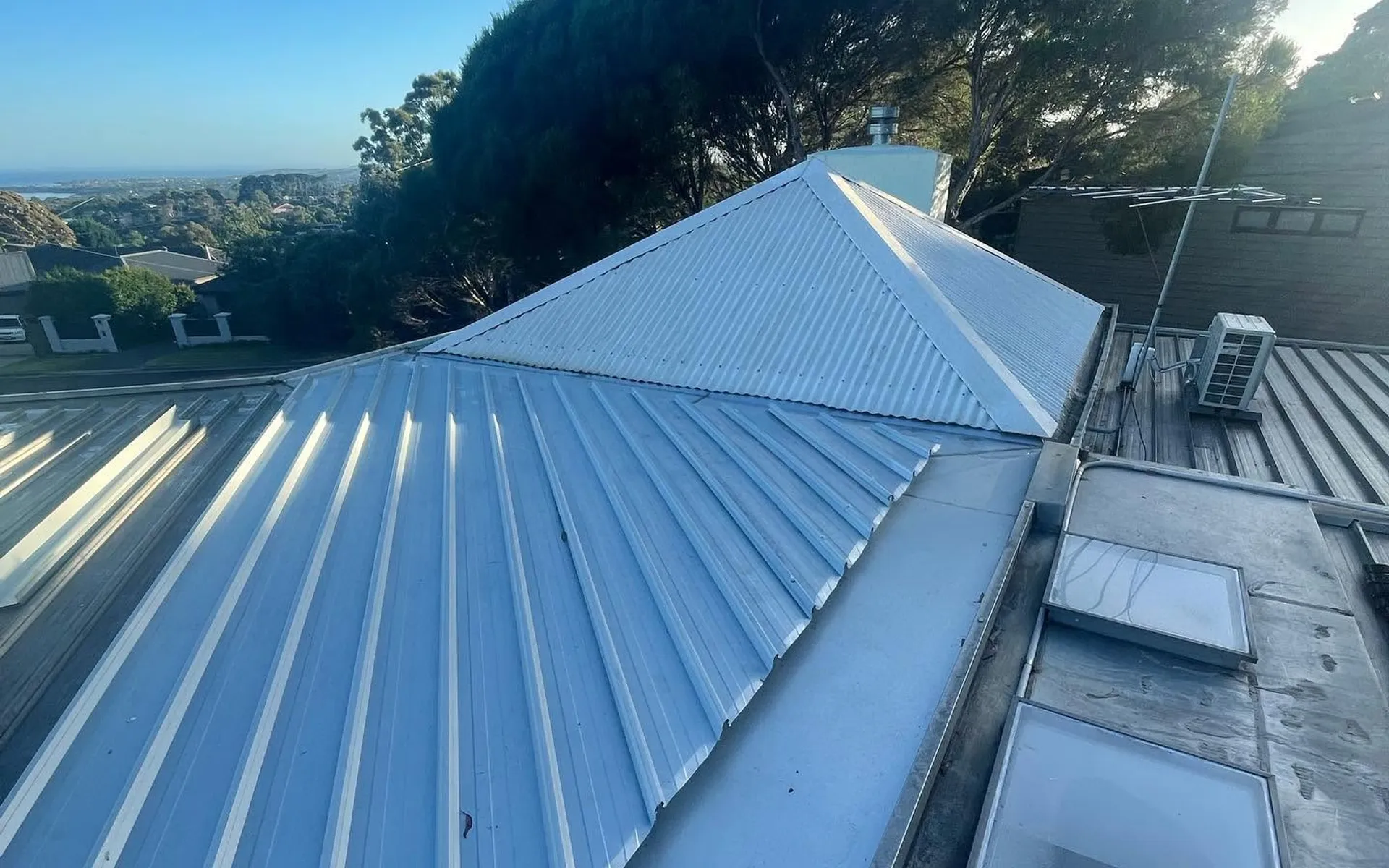
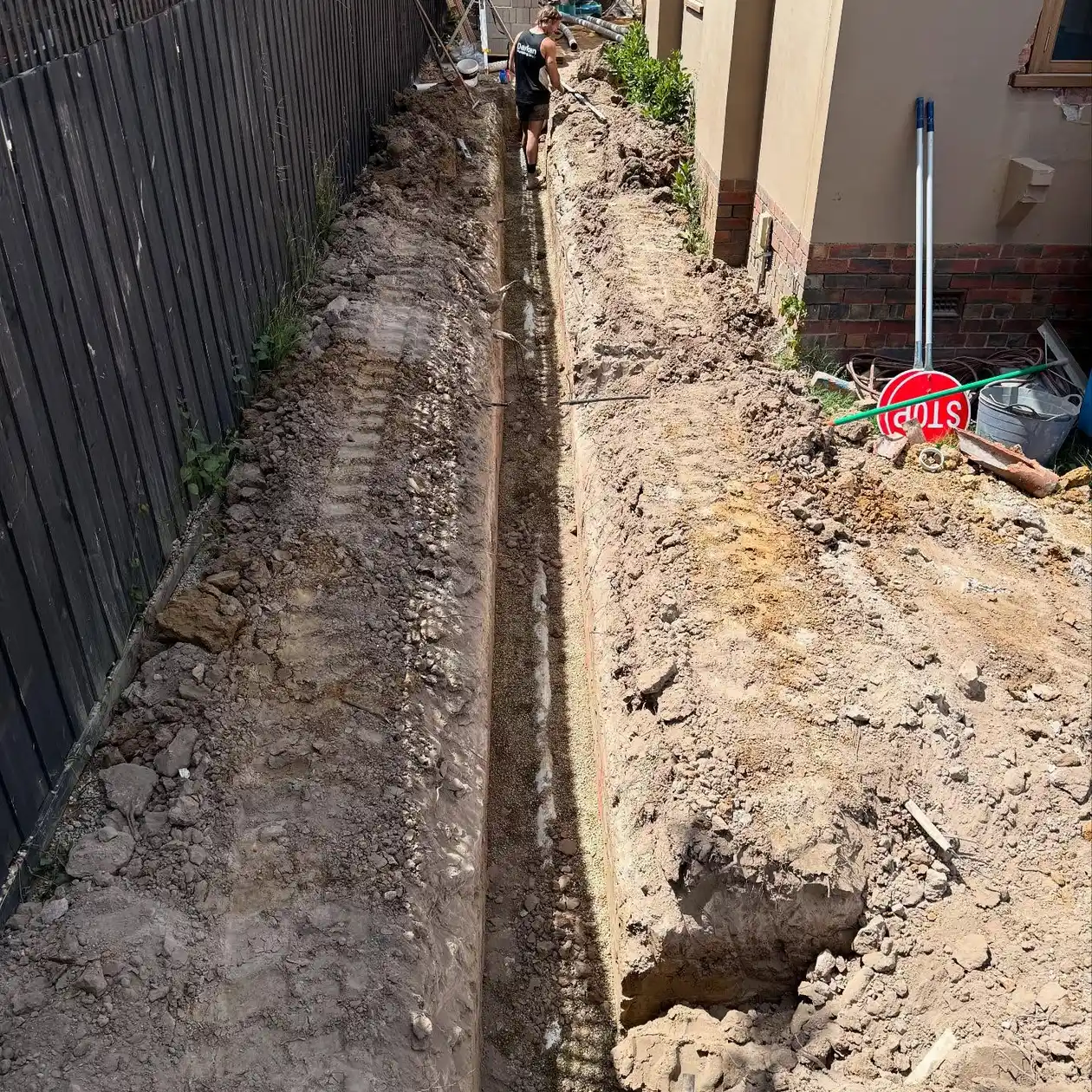
Where Do Your Downpipes Actually Go?
If your downpipes spill onto the ground, water pools around the house after rain, or a downpipe connection keeps overflowing, the roof water isn't getting away from the house.
On some properties the downpipes were never connected, and on others the old line has blocked, broken or been built over.
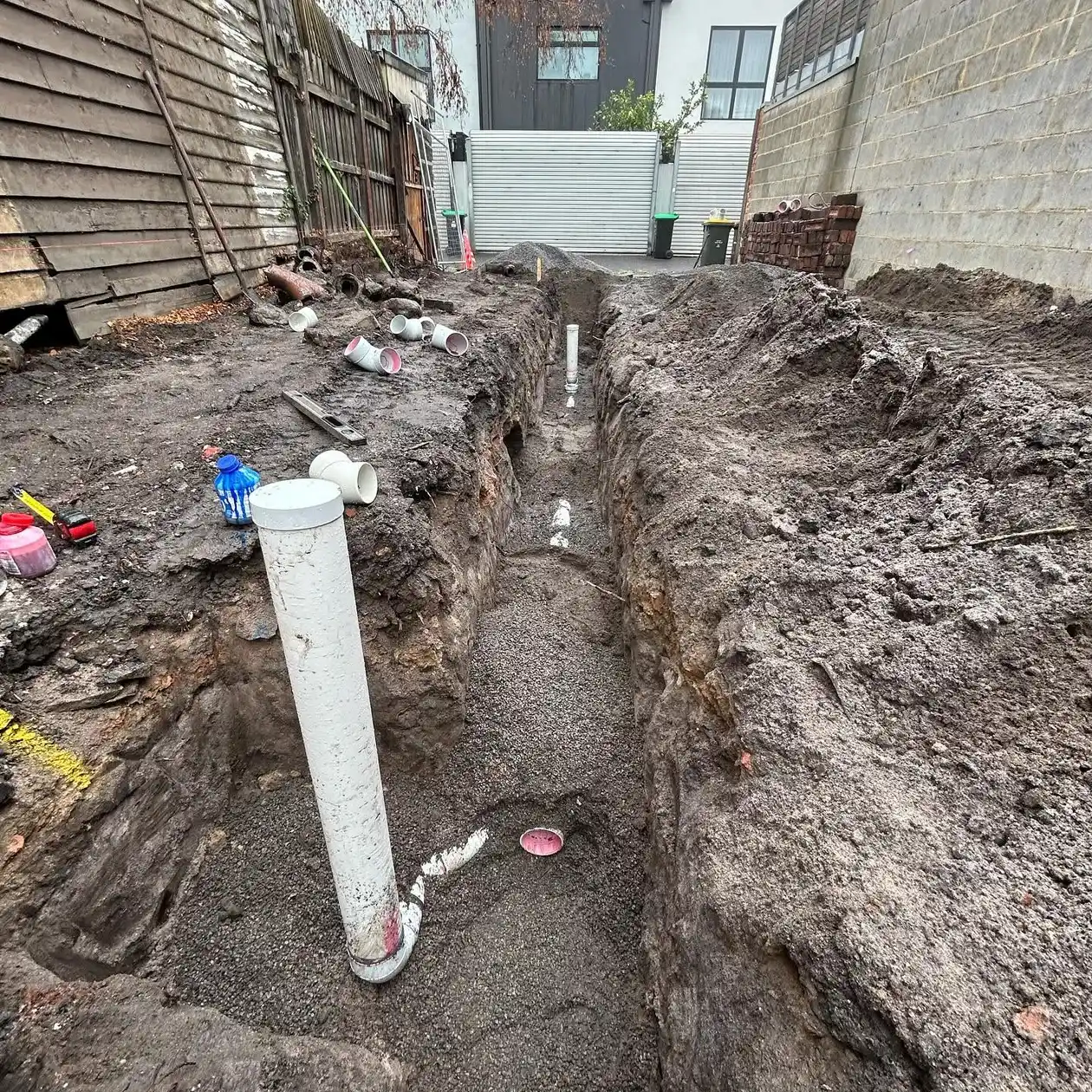
We'll Connect Your Downpipes and Get the Water Off the Property
We follow each downpipe to see where the water is going now, running a camera through the existing line where there is one.
Then we lay new stormwater line with pits where they are needed and connect it into the legal point of discharge for the property.
We connect stormwater for homes and extensions across Melbourne's eastern suburbs. Contact us today for a free quote.
Get A Free QuoteContact Darken Plumbing Group
If you're having a problem with your plumbing or planning a renovation, contact us today for a free quote. If it's urgent, call us and we'll get to you as soon as we can.
- Phone 0468 633 915
- Email darkenplumbing@gmail.com
- Service Area Mooroolbark and Melbourne's eastern suburbs


Frequently Asked Questions
It is where the authority requires your stormwater to be connected, usually at the street frontage or an easement. Stormwater is meant to go there rather than to a low spot on the property. We will confirm what applies at your address.
It is not how stormwater is meant to be handled, and it puts water into the ground right next to the house. On a sloping block or against a slab that is a problem you will eventually pay to fix.
We clear it and camera it to find out. If it is silt or roots in a sound pipe, clearing sorts it. If the line has collapsed or was never laid with enough fall, it needs replacing, and we will show you why before you commit.
No. We locate the existing line first so we know where it runs and how deep. Trenching for new line follows the most direct route the levels allow, and we reinstate the ground afterwards.
Yes, and it often makes sense to. Gutters, downpipes and the underground line are one path, so having the whole thing looked at together avoids replacing one section and finding the problem was further along.